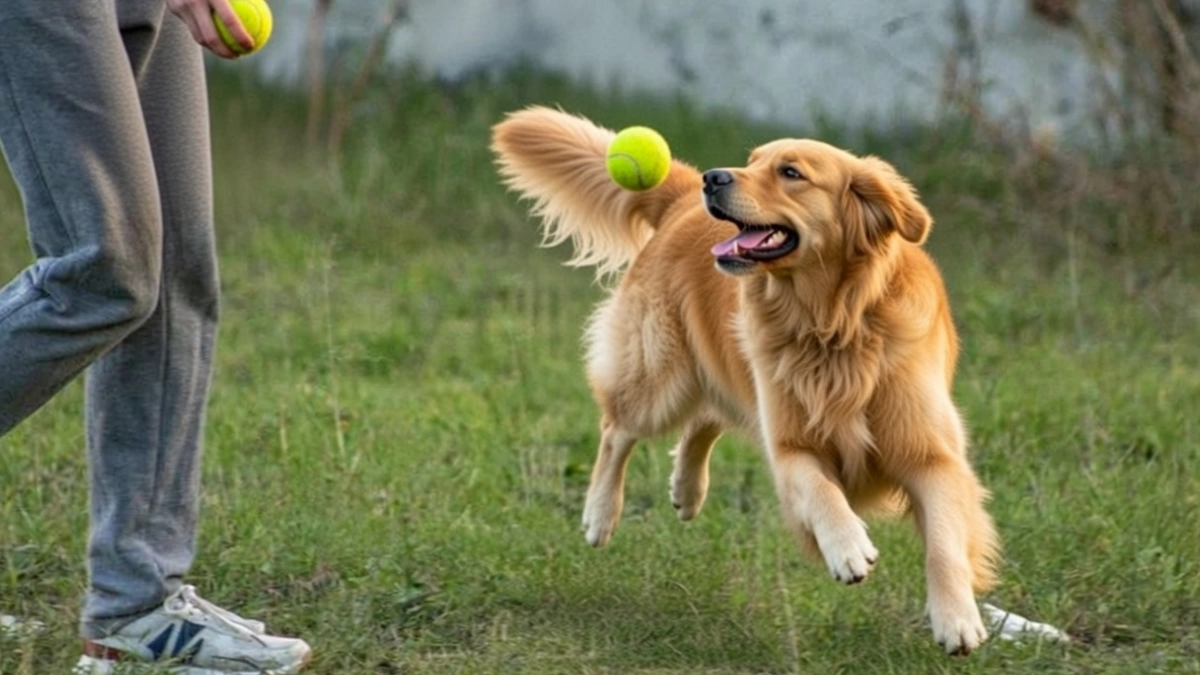
Playing with your dog is more than just fun it’s an essential part of building a strong bond and keeping your pet physically and mentally healthy. Dogs rely on interaction to satisfy their natural instincts, burn energy, and stimulate their minds. Regular play also reinforces trust, improves obedience, and strengthens the connection between you and your furry friend.
Benefits of Play for Dogs
Playtime offers multiple benefits for dogs of all ages:
- Physical exercise: Helps maintain a healthy weight, agility, and endurance.
- Mental stimulation: Encourages problem-solving, focus, and learning.
- Emotional well-being: Reduces stress, anxiety, and boredom.
- Bonding: Strengthens trust and communication with their owner.
- Training reinforcement: Play can be combined with commands and rewards for better learning.
Types of Play to Try with Your Dog
| Type of Play | What It Supports | Examples |
|---|---|---|
| Fetch | Physical exercise and recall training | Ball, frisbee, stick |
| Tug-of-War | Strength, impulse control | Rope toy, tug toy |
| Hide-and-Seek | Mental stimulation and scent training | Treats, toys, owner hiding |
| Puzzle Games | Problem-solving skills | Interactive feeders, treat puzzles |
| Social Play | Socialization with other dogs | Dog parks, playdates |
| Obedience Play | Training reinforcement | Commands with rewards, agility courses |
This table provides examples of fun and meaningful play activities that enhance your dog’s health and skills.
Tips for Safe and Effective Play
When engaging in play, always consider your dog’s age, breed, size, and health condition. Puppies may need shorter play sessions, while adult dogs benefit from vigorous exercise. Avoid aggressive play that encourages biting or excessive roughhousing. Always supervise interactions with other dogs and provide fresh water and rest breaks during longer sessions.
Incorporating Play into Daily Life
Integrating play into your daily routine strengthens the bond and improves your dog’s overall well-being. Short morning sessions, after-work exercise, and evening cuddle-and-play periods keep your dog active, happy, and secure. Combining mental and physical play ensures a balanced and fulfilling experience.
Conclusion
Regular play is vital for a dog’s physical health, mental stimulation, and emotional well-being. By exploring different types of play, maintaining safety, and making play a consistent part of your routine, you enhance your relationship with your dog and provide a happier, healthier life. Playtime isn’t just fun it’s an investment in your dog’s overall wellness.
Disclaimer: This article is for general informational purposes only. Play activities should be tailored to your dog’s specific health, age, and abilities. Consult a veterinarian or certified dog trainer if you have concerns about your dog’s behavior, health, or suitable exercise routines.