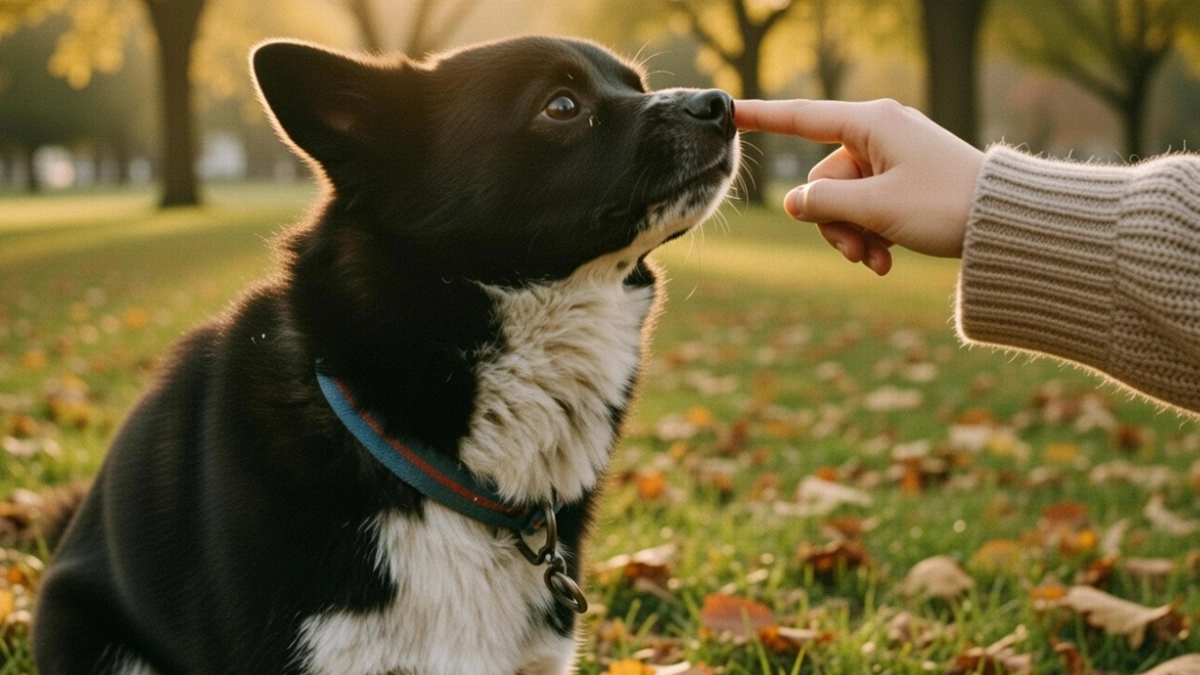
Hand commands are a powerful way to communicate with dogs without using verbal cues. Dogs are highly observant and can associate visual signals with actions, behaviors, or routines. Mastering hand commands strengthens obedience, enhances focus, and deepens the bond between owner and pet. Silent communication can be especially helpful in noisy environments or for dogs with hearing impairments.
Benefits of Teaching Hand Commands
Using hand signals alongside or instead of verbal commands offers multiple advantages:
- Improves focus and attention – Dogs learn to read visual cues carefully.
- Enhances obedience – Visual commands can be more precise than verbal ones.
- Aids training for special circumstances – Useful for deaf dogs or crowded areas.
- Strengthens bonding – Builds trust and understanding between owner and dog.
- Reinforces mental stimulation – Encourages dogs to think and react consciously.
Common Hand Commands and How to Teach Them
| Command | Hand Signal | Training Tip |
|---|---|---|
| Sit | Palm facing down, move hand downward | Pair with verbal “Sit” initially, reward immediately |
| Stay | Open hand, palm toward dog | Gradually increase duration and distance |
| Come | Arm extended forward, sweep toward chest | Use a happy tone and reward promptly |
| Lie Down | Palm down, move hand horizontally | Encourage with treats or toys for motivation |
| Heel | Flat hand, move along side of body | Practice during walks, reward calm walking |
| Shake/Paw | Extend index finger or hand toward dog | Reward first successful attempts |
| Spin | Circular motion with hand | Encourage full rotation, pair with treat for guidance |
This table provides clear examples of common hand commands, signals, and tips for effective teaching.
Tips for Effective Hand Command Training
- Always pair hand signals with rewards to reinforce learning.
- Use consistent gestures so your dog clearly associates the signal with the command.
- Practice in short, frequent sessions to maintain focus.
- Gradually reduce treats and rely on praise and attention once commands are learned.
- Be patient and positive; dogs respond best to encouragement, not frustration.
Incorporating Hand Commands Into Daily Life
Hand commands can be used in everyday routines, including walking, mealtime, playtime, and social interactions. Combining hand and verbal cues initially helps dogs transition smoothly to silent commands. Over time, they will respond reliably even without verbal prompts, enhancing flexibility and communication.
Conclusion
Mastering hand commands provides a silent and effective way to communicate with your dog, improving obedience, focus, and overall bonding. By using consistent signals, rewarding positive behavior, and practicing regularly, owners can strengthen their relationship while enhancing the dog’s mental stimulation and responsiveness. Silent communication opens a new dimension of understanding between you and your pet.
Disclaimer: This article is for general informational purposes only. Training methods may vary by dog breed, age, or temperament. Consult a certified dog trainer or behaviorist for specialized guidance, especially for dogs with behavioral challenges or learning difficulties.